
How AI Detects Mispriced Prediction Market Odds Before the Crowd

How AI Spots Mispriced Odds in Prediction Markets
AI is already spotting mispriced odds in prediction markets days before most traders notice. Early users of prediction market analysis get a real edge on platforms like Polymarket and Kalshi. By the end of this piece you’ll see exactly how these models find pricing gaps, which signals hold up best, and how to turn them into steady trading habits.
Why Prediction Markets Still Leave Room for Edge
Markets on Polymarket and Kalshi keep showing temporary mispricings. Retail money piles in fast after headlines, and order books don’t always keep up. Liquidity can dry up in one contract while volume spikes elsewhere, so prices drift away from what the fundamentals suggest.
News travels quicker than the books adjust. Traders overreact to the latest poll or tweet, and that pushes probabilities off track for hours or even days. Recency bias, public money flows, and simple information lags all play a part. A single person can’t watch every contract at once, so the gaps stay open longer than they should.
How AI Models Analyze Prediction Market Data
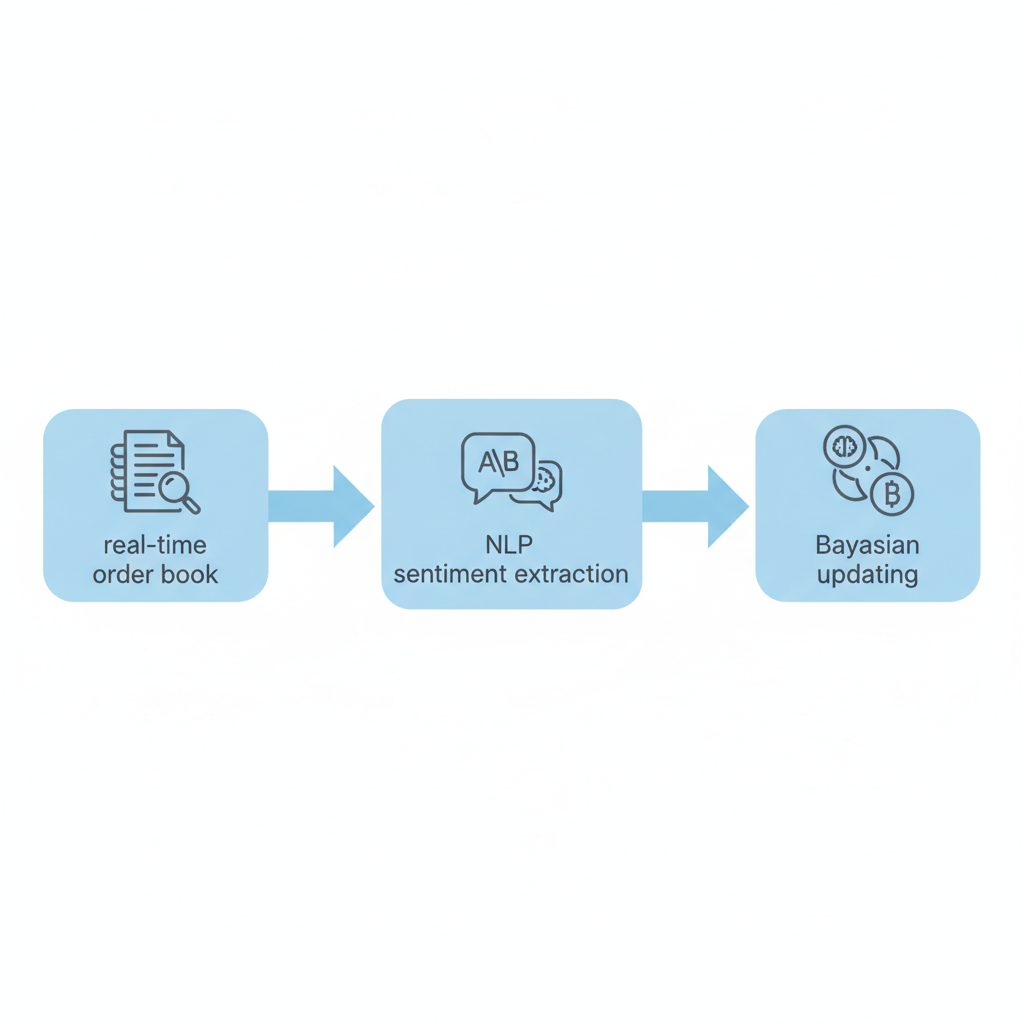
AI systems watch active markets around the clock. They track order-book changes, volume surges, and probability moves in real time. When news hits, the models compare what the market is pricing against fresh sentiment pulled from wires and social feeds.
Bayesian updating keeps refining each contract’s odds as new information lands. The result is a running list of contracts where the current price sits away from the model’s best estimate of true probability.
Common Causes of Mispriced Markets on Polymarket and Kalshi
Thin books after big news are one clear culprit. A few trades can swing the price far from reality when depth is low. Binary events with uneven information access create another pattern, someone always seems to know a little more than the rest of the market.
Weekends and holidays slow everything down. Fewer participants mean wider spreads and slower price discovery. These conditions line up with the same biases that keep showing up: public money chasing headlines and information that reaches some traders later than others. AI simply flags the contracts where those conditions line up most clearly.
AI Tools Built for Prediction Market Analysis
Specialized dashboards pull on-chain data from Polymarket and layer it with off-chain news and sentiment. Some run on open-source models you can tweak yourself. Others send alerts the moment a contract’s implied probability diverges from the model’s read. The speed advantage comes from scanning thousands of markets at once instead of checking them one by one.
Traders still decide position size and timing. The tools just surface the candidates faster.
Turning AI Signals into a Trading Edge
Start with smaller size on lower-confidence signals and scale up only when multiple indicators line up. Order-book imbalance plus a sentiment shift gives a stronger read than either alone. Once the market starts correcting toward the model’s view, have an exit plan ready so you don’t give the edge back.
Small, repeatable edges add up when you keep slippage low and stay disciplined on thin books. The edge lives in the process, not in any single trade.
Risks and Limitations of AI-Driven Prediction Market Analysis
Models can drift when something truly unexpected hits. Patterns that worked last month may not hold when liquidity or information flow changes. Overfitting to older regimes is another real risk, signals look great in backtests and then fade live.
Execution on low-volume contracts can wipe out theoretical profit if your order moves the price before it fills. The practical fixes are straightforward: wait for two or three independent signals before sizing up, cap exposure during quiet periods, and retrain models on fresh data regularly. Even the strongest systems need ongoing checks rather than blind faith.
The traders who keep making money aren’t the ones with sharper instincts. They’re the ones who let prediction market analysis handle the scanning and then act with discipline when the signals appear. Start small, test what you see, and keep letting the models flag the next gap before the rest of the market catches on.
Related Articles

Polymarket Analysis of Kevin Warsh Fed Chair Swearing-In Odds
Real-time Polymarket analysis showing how prediction market odds shifted on the Trump-appointed Fed Chair transition and structural changes.

Solana ETF Approval by July 2026: 68% Probability on Polymarket With $14M Volume
Deep dive into Polymarket's Solana ETF approval odds, trading volume, and what the 68% probability signals for crypto event predictions.

AI Prediction Market Analysis: Smarter Probability Insights for Traders
Explore AI-powered prediction market analysis, real-time probability tracking, and market sentiment insights across Polymarket, Kalshi, crypto, politics, and sports markets.