Polymarket Completes First Institutional Block Trade on AI Compute Contract
Details on Polymarket's $10M+ AI infrastructure trade and how event probability predictions are attracting serious capital in 2026.

Polymarket Completes First Institutional Block Trade on AI Compute Contract
Polymarket analysis of this trade shows institutions starting to treat AI compute costs like any other commodity they can hedge. On June 2, 2026, FalconX and Anera Labs moved a six-figure sum through a contract tied to the Ornn Compute Price Index. The deal settled on Polygon and referenced actual GPU rental prices instead of elections or sports. That single transaction hints at how prediction market odds could start shaping real financing decisions in AI infrastructure.
What the First Institutional Trade Actually Changes
Most people still picture Polymarket as a place to bet on elections. This trade flips that script. It turns compute pricing into something tradable, with settlement based on a live index rather than a yes-or-no outcome. Institutions already spending heavily on GPUs now have a liquid way to take positions without negotiating private forwards every time.
The mechanics stay simple on the surface. The contract pays out based on where the Ornn index lands at expiration. Everything records on Polygon, so anyone can audit the flow later. That transparency matters when finance teams need to explain positions to risk committees.
How the Ornn Compute Price Index Actually Works
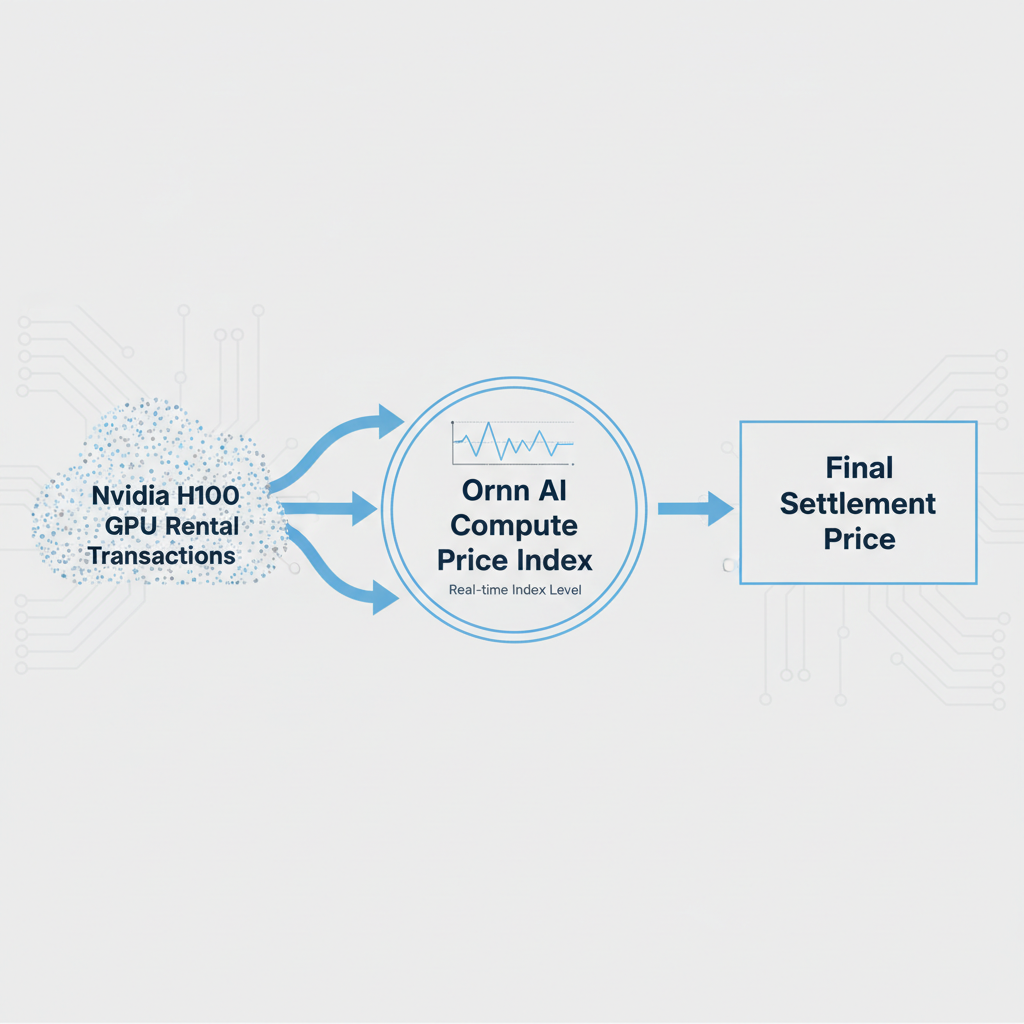
The index pulls from real rental transactions for Nvidia H100 GPUs. No surveys, no estimates, just observed deals. It spits out both a running indicative price and a final settlement figure used for payouts. Because the inputs come straight from the market, the benchmark moves in step with physical GPU pricing.
That direct link gives the contract more weight than older event markets. A risk manager can watch the index daily and treat it as a reasonable proxy for what their own hardware costs might do. The methodology removes some of the guesswork that used to make these instruments feel too detached from reality.
Who Made the Trade Happen
FalconX stepped in as the prime broker, handling liquidity and keeping the block from moving the wider book. Anera Labs structured the contract and managed clearing, building on work they already do around AI risk. Both sides ran the usual compliance checks before the trade cleared on Polygon.
The setup shows how existing crypto infrastructure can stretch to cover these new instruments. Settlement keeps margin and operational costs lower than traditional bilateral deals. That efficiency adds up fast when teams rebalance exposure every few weeks as AI project timelines shift.
Hedging GPU Costs Through Prediction Market Odds
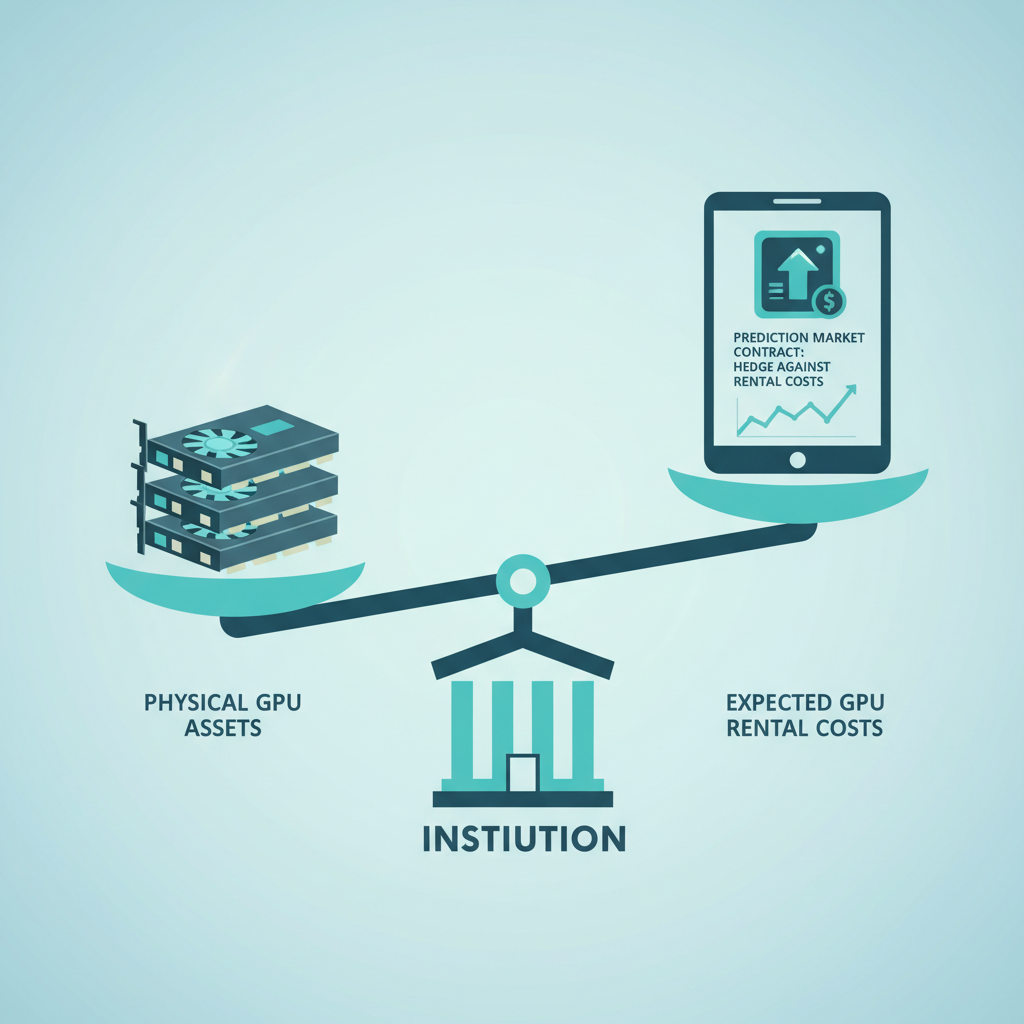
A company worried about rising rental rates can buy the contract. One expecting prices to ease can sell. Basis risk still exists between the index and any single procurement deal, yet the position requires far less capital than holding physical forwards or related ETFs.
The six-figure size of the opening trade already proves block liquidity exists when the right intermediaries show up. Because everything settles on-chain, the operational lift stays light. Portfolios that need to adjust frequently now have a cleaner tool than before.
Where AI Prediction Market Analytics Fit Into Bigger Portfolios
Event probability predictions now sit alongside traditional holdings for funds with AI exposure. Compute prices correlate with equity valuations in the sector, so risk teams can blend prediction contracts with stock positions for more balanced books. Liquidity for bigger sizes will keep growing, but the first block trade already shows size is possible with prime brokerage support in place.
The trade also creates a template. Routing through established intermediaries and settling on Polygon gives other institutions a compliant route they can copy. Brooke Rizzetto at Polymarket pointed out that these markets are becoming practical venues for institutional block trades, and this deal backs that up.
What Comes Next for AI Infrastructure Pricing
Ravi Doshi at FalconX noted the trade brings clearer price discovery to a fast-moving commodity. The same rails can support more indices, regional benchmarks, or even longer-dated contracts. Venture and private-equity teams pricing AI companies will likely start folding these market signals into their models.
Hybrid books that mix equity stakes with prediction market hedges are already workable. The June 2026 precedent simply speeds up adoption. Over time, the real test will be whether enough volume builds for tighter spreads and deeper books across multiple compute benchmarks.
One open question is how regulators will view these contracts once volumes scale. The current path through licensed intermediaries helps, but new rules could still reshape how institutions access the market. For now, the door is open for anyone watching AI costs to start testing small positions and see how the liquidity holds up.
Related Articles

Polymarket Combos Launch Quoter Rewards Program Details and Payouts

How Prediction Markets Spoiled Survivor 50 Winner on Kalshi Before Premiere

Kalshi Weekly Volume Hits $1B Non-Sports Milestone First Time in 2026