Kalshi Prediction Markets: Nevada Judge Extends Ban—Impacts on 2026 Event Odds
Kalshi prediction markets hit by extended Nevada operating ban; prediction market analysis reveals risks to event probability predictions and how it shifts market odds trends versus Polymarket.

Kalshi Prediction Markets: Nevada Judge Extends Ban - Impacts on 2026 Event Odds
Nevada judge extends ban on Kalshi prediction markets, disrupting 2026 event odds and shaking up probability markets. Here's the full impact. On April 6, 2026, Judge Jason Woodbury in Nevada extended a temporary restraining order against Kalshi, pushing the ban to April 17, 2026. This extends the temporary restraining order on the platform's sports-related contracts in the state. Traders now have to rethink their strategies. You'll get the legal breakdown, Kalshi's operational hits, a clear Polymarket comparison, and trends in 2026 odds to sharpen your own predictions.
What Sparked the Nevada Judge's Ban Extension on Kalshi?
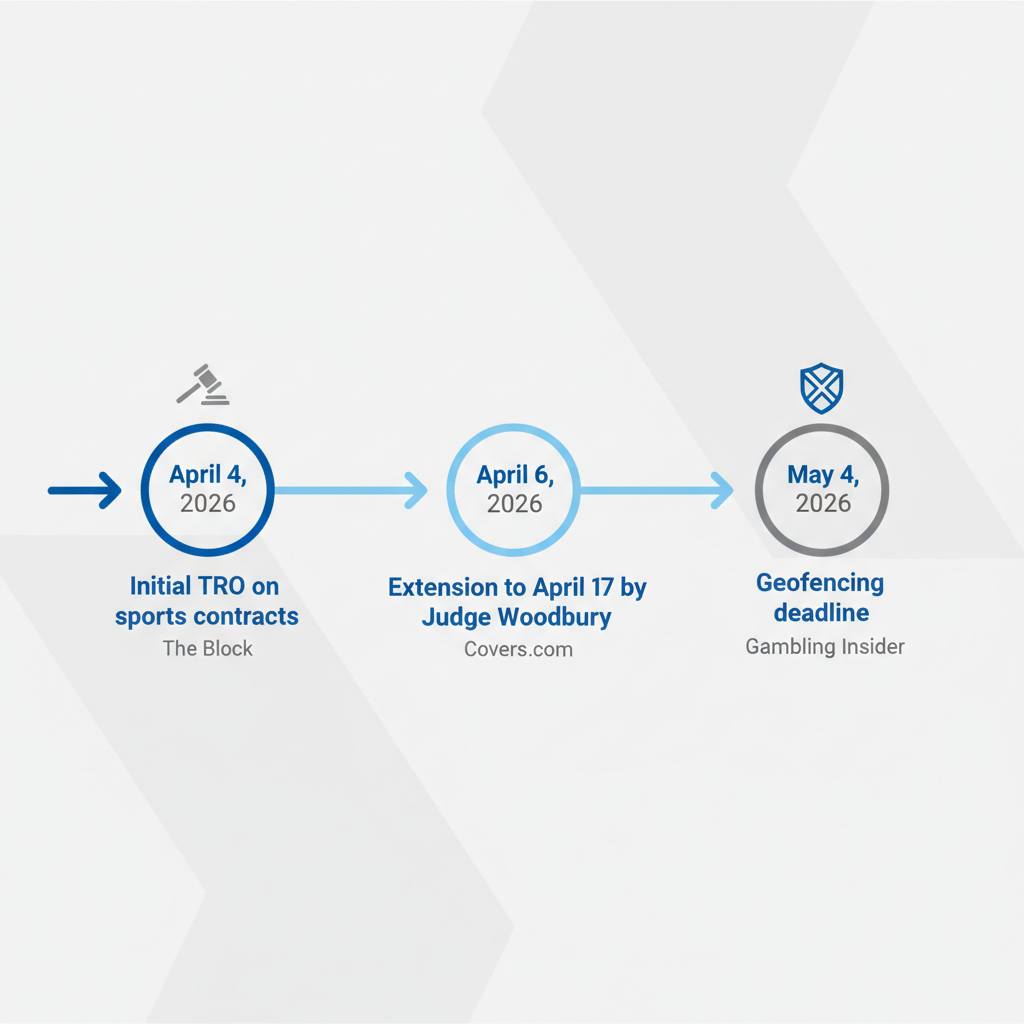
The extension comes from an ongoing clash between Kalshi and Nevada regulators. It builds on an initial temporary restraining order that halted Kalshi's sports-related contracts. The judge called them "indistinguishable" from traditional gambling, according to The Block on April 4, 2026. Judge Jason Woodbury, in Carson City court, stretched this order to April 17, 2026, as reported by Covers.com the same day.
This isn't isolated. Nevada regulators view Kalshi's sports-related contracts as unauthorized wagers under state law. The ruling ties directly to 2026 events, where traders hunt for probabilities on high-stakes races and Fed moves. Kalshi argued federal CFTC approval shields them. But the court prioritized state gambling controls. Now, with a May 4, 2026, geofencing deadline to block Nevada users, as noted by Gambling Insider on April 6, 2026, the platform faces immediate pressure to comply or appeal.
Legal Grounds Behind Nevada's Crackdown on Prediction Markets
Nevada's case rests on state gambling statutes that clash with Kalshi's CFTC greenlight. The judge stressed Nevada's authority to regulate these activities, challenging Kalshi's federal oversight claim, per The Block's April 4 coverage. Sports contracts drew the sharpest fire. Woodbury ruled them akin to casino bets, not permissible "event contracts."
The extension buys time for briefs on permanency. Kalshi must implement geofencing by May 4, 2026, or seek more time with full justification. This highlights the jurisdictional tug-of-war. CFTC Chair Michael Selig's January 29 Axios announcement of federal regulations could preempt states. But for now, Nevada enforces its laws. Appeals loom, potentially escalating to higher courts.
How the Extended Ban Cripples Kalshi's Operations and User Base
Trading halts immediately in Nevada markets, suspending access for local users. Kalshi's monthly volume hovered around $65 million in February 2026, per PolyMonit Blog's March analysis. Now, that takes a hit from lost liquidity. Users face blocked logins, shifting volume elsewhere.
Fees compound the pain. Kalshi charges 2–4% on trades and banking, depending on method, as detailed by Techopedia in March 2026. Nevada traders, a solid chunk of active bettors on elections and economy, must migrate or sit out. Competition ramps up. Kalshi's geofencing scramble by May 4 adds costs, squeezing margins further.
Broader Implications for Prediction Market Analysis and Industry Growth
State crackdowns like Nevada's chill expansion. Other regulators watch closely, potentially mirroring bans on event contracts. Yet this boosts offshore and crypto platforms, dodging U.S. Rules via decentralization.
CFTC's federal push, via Selig's plans, signals standardized rules ahead. That could unify oversight but prolong battles between agencies. For analysts, odds trends shift. Restricted liquidity means noisier probabilities on 2026 events. Platforms adapt. Geofencing enforces isolation, per Gambling Insider. But users seek workarounds. Growth pivots to compliant models, reshaping how traders gauge real-world outcomes. Think about it: one state's move ripples across the entire prediction market analysis scene.
Polymarket vs. Kalshi: Key Differences in a Regulatory Storm
Polymarket thrives amid Kalshi's woes with its crypto-based, decentralized setup. Its monthly volume topped $500 million in February 2026, dwarfing Kalshi's $65 million, according to PolyMonit Blog.
Fees seal the edge. Polymarket skips trading and banking charges entirely, versus Kalshi's 2–4%, as Techopedia notes. Polymarket's higher trading volume and fee-free structure may attract users seeking more liquid markets and lower transaction costs. Kalshi's CFTC ties invite scrutiny. This regulatory storm highlights differences between the platforms as Kalshi complies with geofencing.
Here's a quick comparison of the two platforms based on verified data:
| Feature | Kalshi | Polymarket |
|---|---|---|
| Monthly Volume (Feb 2026) | ~$65 million (PolyMonit Blog) | >$500 million (PolyMonit Blog) |
| Trading/Banking Fees | 2–4% depending on method (Techopedia) | None (Techopedia) |
| Regulatory Approach | CFTC-regulated, state challenges | Decentralized crypto, harder to regulate |
Event Probability Predictions and Market Odds Trends for 2026
Kalshi's ban may impact liquidity on remaining markets, affecting 2026 event odds. Polymarket's higher trading volume and fee-free structure may attract users seeking more liquid markets and lower costs.
Watch discrepancies. Polymarket's higher trading volume and fee-free structure may attract users seeking more liquid markets and lower costs. CFTC regs could align them long-term, but states like Nevada keep pressure on. Savvy predictors arbitrage gaps, betting where liquidity rules. What does this mean for your next trade?
Nevada's extended ban tests Kalshi prediction markets but accelerates evolution in probability markets. With Polymarket rising and market odds trends shifting, stay vigilant for event probability predictions. This prediction market analysis equips you to trade smarter amid uncertainty. Keep an eye on those appeals, and maybe check Polymarket's odds yourself.
Related Articles

Polymarket Combos Launch Quoter Rewards Program Details and Payouts

Polymarket Completes First Institutional Block Trade on AI Compute Contract

How Prediction Markets Spoiled Survivor 50 Winner on Kalshi Before Premiere