Kalshi Weekly Volume Hits $1B Non-Sports Milestone First Time in 2026
See how Kalshi prediction markets surged to $1B weekly non-sports volume while Polymarket lagged at $689M in early May data.

Kalshi Prediction Markets Cross $1 Billion in Non-Sports Volume
Kalshi prediction markets just crossed a line that changes how people see the whole space. Weekly non-sports trading volume cleared $1 billion for the first time, and the date on the record books is May 14, 2026. That single week pulled in contracts tied to elections, interest-rate moves, crypto prices, and geopolitical events. Sports used to dominate these platforms. Now the numbers show the audience has moved on.
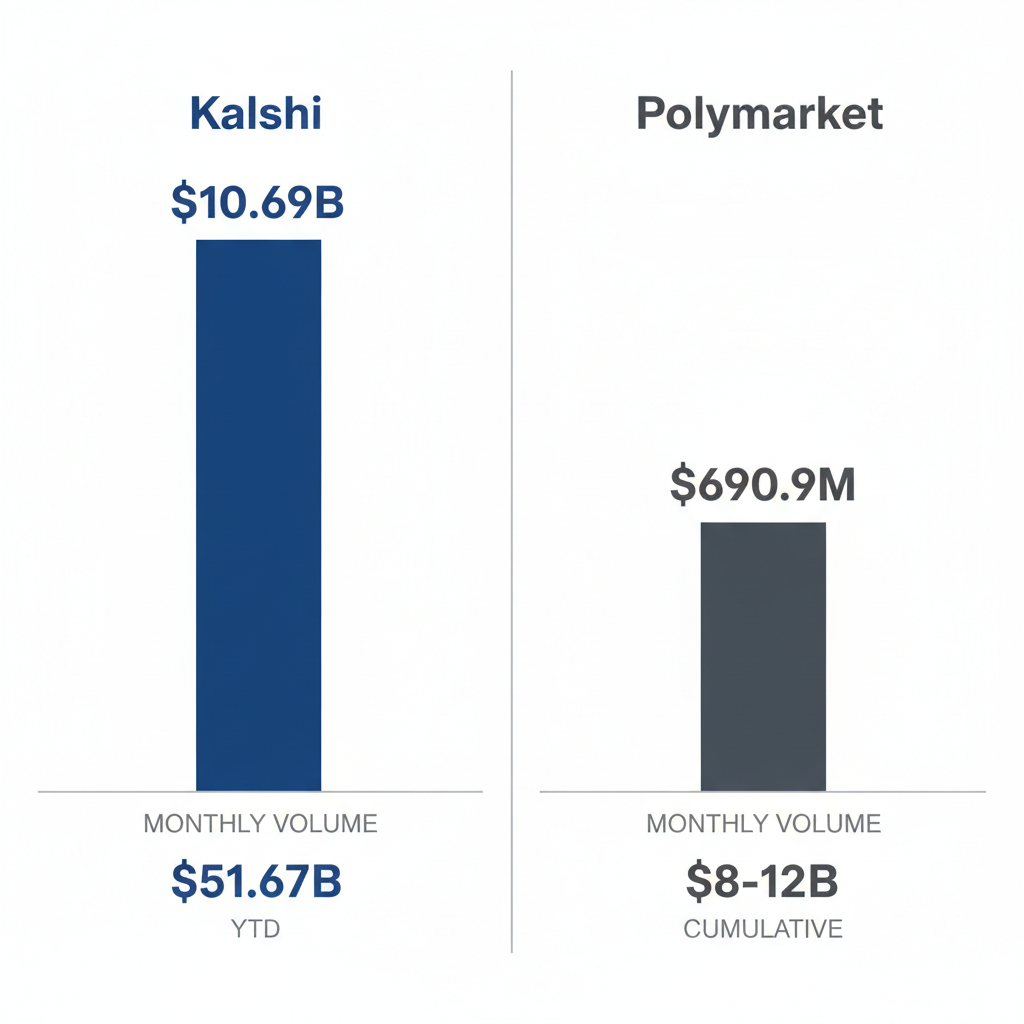
The broader picture looks even stronger. Kalshi posted $10.69 billion in monthly volume for May 2026, and year-to-date volume through late May reached $51.67 billion. Those totals did not come from one lucky spike. They reflect steady participation across dozens of contracts that resolve on real-world outcomes rather than game scores.
What Is Actually Driving the Surge in Kalshi Prediction Markets?
Traders keep coming back because the contracts feel useful. You can take a position on next month’s CPI print or the outcome of a Senate vote without jumping through extra hoops. The interface stays simple, and new events appear quickly when headlines shift. That combination turns casual interest into regular trading habits.
Speed of settlement helps too. Once a contract resolves, money moves back to accounts faster than it used to. Less time locked up means traders can redeploy capital instead of waiting days or weeks. Partnerships with data providers and media outlets have also pulled in users who never considered prediction markets before. The result is higher turnover across categories that used to sit quiet.
Kalshi vs Polymarket: How the Numbers Compare
Side-by-side figures make the gap obvious. Kalshi’s May volume of $10.69 billion dwarfs Polymarket’s $690.9 million for the same stretch. Polymarket’s lifetime total sits somewhere between $8 billion and $12 billion. Kalshi passed that range on a year-to-date basis alone. The split shows up clearest in non-sports contracts, where Kalshi captured the bulk of activity and now holds more than 90 percent of U.S. Regulated prediction market flow.
Traders chasing tighter prediction market odds have noticed the difference in depth. Kalshi’s order books handle larger sizes without wild swings, and settlement disputes stay rare. That reliability pulls flow away from venues with lighter oversight. Over time the pattern reinforces itself: better liquidity attracts more participants, which tightens spreads further.
Institutional Money and the Liquidity Feedback Loop
Big money arrived in force. Kalshi closed a $1 billion Series F round at a $22 billion valuation. Institutional volume on the platform jumped 800 percent in the six months before the milestone week. Hedge funds and prop desks now size positions in macro and political contracts the same way they would in futures or options.
The extra capital shows up in tighter spreads and deeper books. Annualized volume climbed from $52 billion to $178 billion over that same period. Professional traders point to CFTC rules and predictable settlement as the main reasons they shifted activity here instead of offshore sites. Once spreads narrow, even more size can trade without moving the market, which draws the next wave of institutions.
Regulatory Guardrails and How They Shape Participation
Kalshi answers directly to the CFTC, so its contracts sit under financial-market rules rather than gambling statutes. That distinction matters for compliance teams at banks and funds. The platform runs surveillance that flags unusual position clusters or coordinated timing. When something looks off, the exchange can pause trading or request more information before resolution.
The company also put $2 million into problem-gambling programs over two years and joined the National Council on Problem Gambling. Those steps do not remove every risk, but they give institutions a clearer path to justify activity under fiduciary standards. Retail users gain some protection too, though the core responsibility for sizing stays with the individual.
Where the Real Risks Still Sit
Even with oversight, large traders can still push short-term odds. A concentrated bet placed early can move prices before retail participants see the same information. That asymmetry shows up most during fast-moving events like surprise policy announcements or breaking geopolitical news. Less experienced users sometimes treat contracts like straight directional bets and get caught when probabilities shift quickly.
Broader questions linger about what it means to trade outcomes that affect public life. When money rides on election results or regulatory decisions, incentives can color how people discuss those topics. Kalshi’s rules and disclosure requirements reduce some of those pressures, yet anyone active in these markets still needs to track position size and information sources with care.
The space has moved past the novelty phase. Kalshi prediction markets now function as one more venue for expressing views on uncertain events. People who follow volume trends, settlement reliability, and regulatory posture can judge for themselves whether the current setup fits their own risk tolerance and information edge.
Related Articles

Polymarket Combos Launch Quoter Rewards Program Details and Payouts

Polymarket Completes First Institutional Block Trade on AI Compute Contract

How Prediction Markets Spoiled Survivor 50 Winner on Kalshi Before Premiere